Back pain that has settled into a stubborn one-sided ache, or a sharp line of pain running down a leg, rarely shifts with tablets and rest alone. Spinal injections are one of the tools clinicians reach for when pain is persistent, when medication either isn't helping enough or is causing side effects, and when the aim is to calm a specific source of trouble rather than treat the whole spine. They are not a cure, and they are not right for everyone. For some people, though, they create enough of a window to start moving and rebuilding strength again.
What a spinal injection actually does
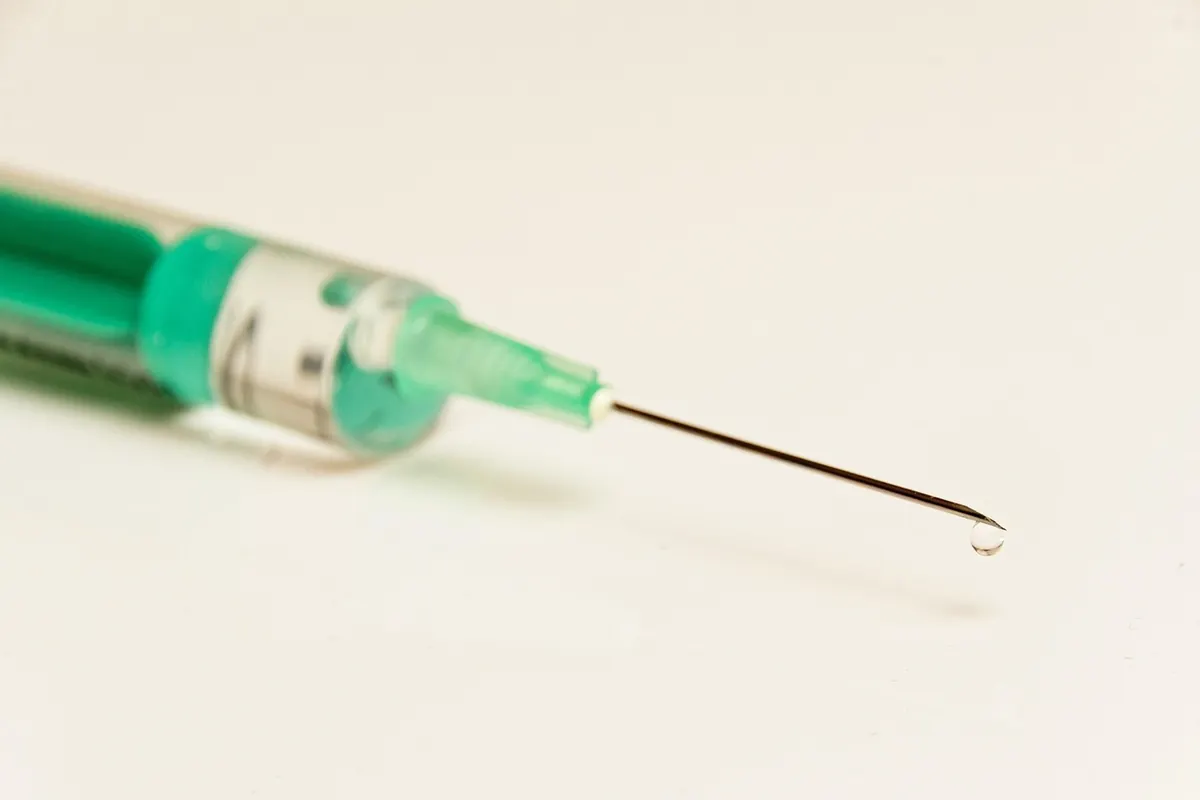
An injection puts medication close to the problem: beside an irritated nerve root, inside a painful facet joint, or around the small nerves that supply it. Most mixtures contain a local anaesthetic, which numbs within minutes, and a corticosteroid, which damps down inflammation over several days. That combination explains the odd pattern many people notice — a few hours of genuine relief, then the ache returning, then a slower improvement as the steroid takes effect.
Injections don't repair discs, reverse arthritis or reset your spine. What they can do is lower pain enough that you sleep better, walk further and get more from physiotherapy. Think of them as a window of opportunity rather than a repair job.
The main types of spinal injection
Epidural steroid injections
The epidural space is the cushion of tissue just outside the membrane covering the spinal cord and nerves. Steroid placed here spreads around the affected area and is used most often for leg-dominant pain — sciatica, nerve compression from a disc, or narrowing of the spinal canal. It can be given through the back or from the side, depending on where the trouble sits.
Facet joint injections and medial branch blocks
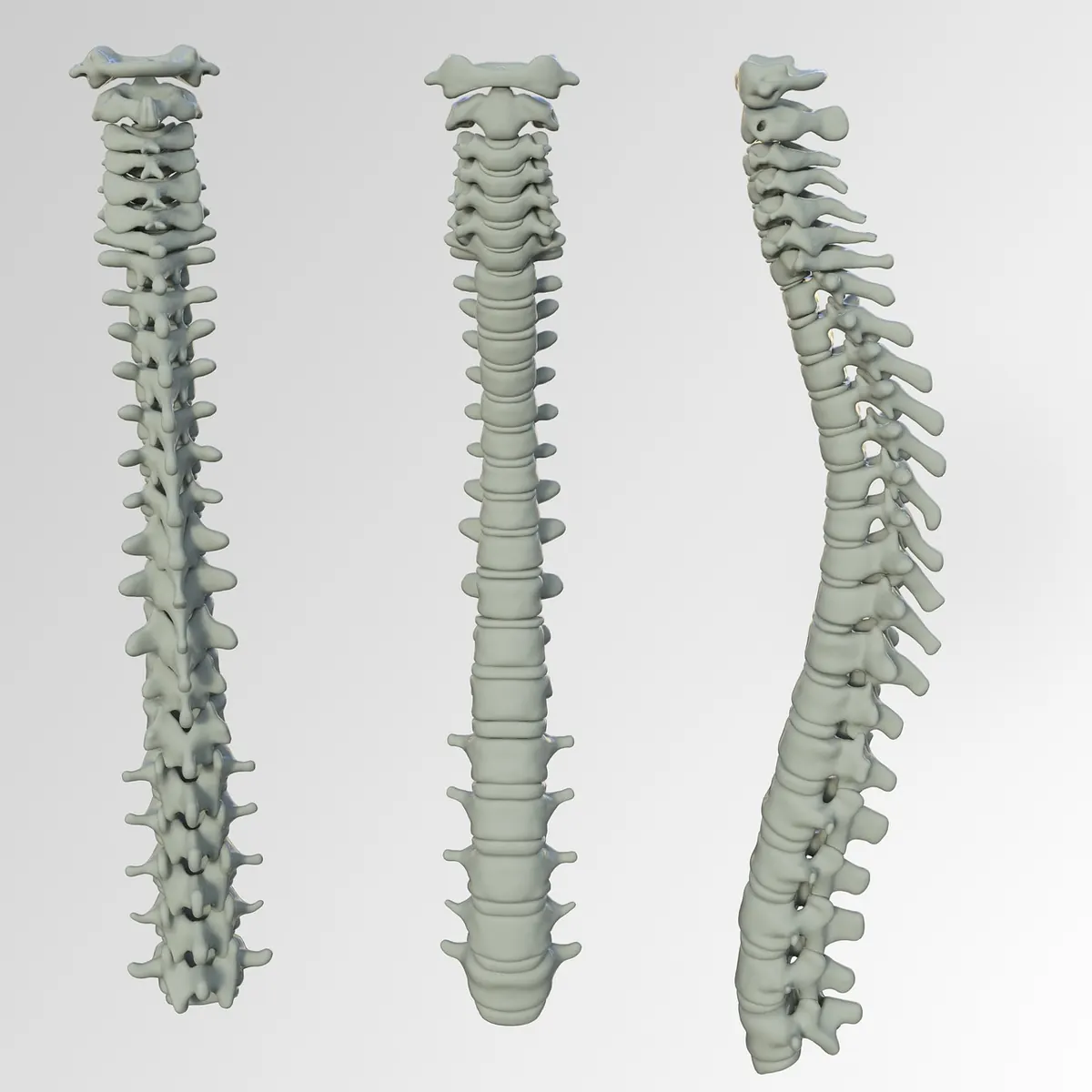
Facet joints are the small paired joints at the back of each vertebra. They can become painful in their own right, often producing pain that is worse when you lean back, twist or stand for long spells. An injection into the joint itself can confirm it is the source and sometimes settle it down.
A medial branch block works on the same principle from a different angle: it numbs the tiny nerves that carry pain signals away from the joint. Because it doubles as a test, your response matters. If the pain disappears for the hours the anaesthetic lasts, that tells the clinician a great deal, and some people then go on to have radiofrequency ablation, where those nerves are heated to give longer-lasting relief.
Nerve root injections
A nerve root injection, sometimes called a selective nerve root block, targets one specific nerve as it leaves the spine. It is often used when scan findings and symptoms don't quite line up, or when surgery is being considered and the team needs to know which nerve is responsible. Relief may last weeks or months. For some people that is enough to avoid an operation; for others it simply clarifies the picture.
Other injections exist — into the sacroiliac joints, into tight muscle bands, and around the piriformis muscle. They suit different patterns of pain, but the same principles apply.
Who they suit — and who they don't
Injections tend to be offered when pain has lasted longer than expected, when a specific structure looks like the likely culprit, and when you have already tried the basics: staying active, adjusting your medication, and a course of physiotherapy. They are worth discussing if:
- Your pain travels down a leg, or follows a clear pattern rather than sitting vaguely across your back.
- Scan results point to a nerve or joint that matches your symptoms.
- Tablets aren't controlling the pain, or you can't tolerate them.
- Pain is stopping you from doing the exercises and activity that would help you recover.
- Surgery is on the table, and you want to explore other options first.
They are less likely to help if your pain is widespread and not tied to one structure, if it is driven mainly by stress, poor sleep or deconditioning, or if you are hoping for a permanent fix. Injections are also usually postponed if you have an active infection, a fever, or certain bleeding problems — your clinician will go through this with you.
What happens on the day
- You may be asked not to eat for a few hours beforehand, and to arrange a lift home.
- Tell the team about any blood-thinning medication, diabetes, allergies, pregnancy, or recent illness.
- You'll be positioned lying face down or on your side, and the skin cleaned with antiseptic.
- Most injections are guided by X-ray or CT so the needle reaches the right spot.
- Local anaesthetic numbs the skin; the injection itself takes only a few minutes.
- You'll be monitored briefly afterwards, then allowed home.
Afterwards: the first 48 hours
Expect some heaviness or numbness in the leg for a few hours. Don't drive that day, and take the evening quietly. From the next day, gentle walking and normal light activity are usually fine, but hold off heavy lifting, long car journeys and anything that leaves you stiff and sore for a few days. A brief flare of pain in the first day or two is common and doesn't mean the injection has failed — the steroid often needs several days to work.
Risks, limits and honest expectations
Most people get through an injection with little more than a tender spot and some bruising. Less common problems include a temporary flare of pain, a headache, facial flushing, disturbed sleep, or a rise in blood sugar for a few days if you have diabetes. Serious complications such as infection or nerve injury are rare but real, which is why these procedures are done by trained clinicians with imaging guidance.
Steroid also has cumulative effects, so repeated injections at short intervals aren't ideal. Most specialists prefer to space them out, use the relief to support rehabilitation, and review whether the benefit justifies another round. If two injections haven't helped, a third rarely will.
Before you agree to one
Ask what the injection is targeting and why, how soon you should notice a difference, what to do if the pain returns, and what the plan is afterwards. Book a physiotherapy review for a couple of weeks later so the relief has somewhere to go — the injection buys time, and the strength work is what keeps it. Keep a simple diary of your pain and activity for a fortnight before your follow-up; it makes the decision about further treatment much clearer.
This is general information rather than personal medical advice. Discuss your own situation with your GP, physiotherapist or pain specialist before deciding on any procedure.
Photo: Bru-nO / Pixabay