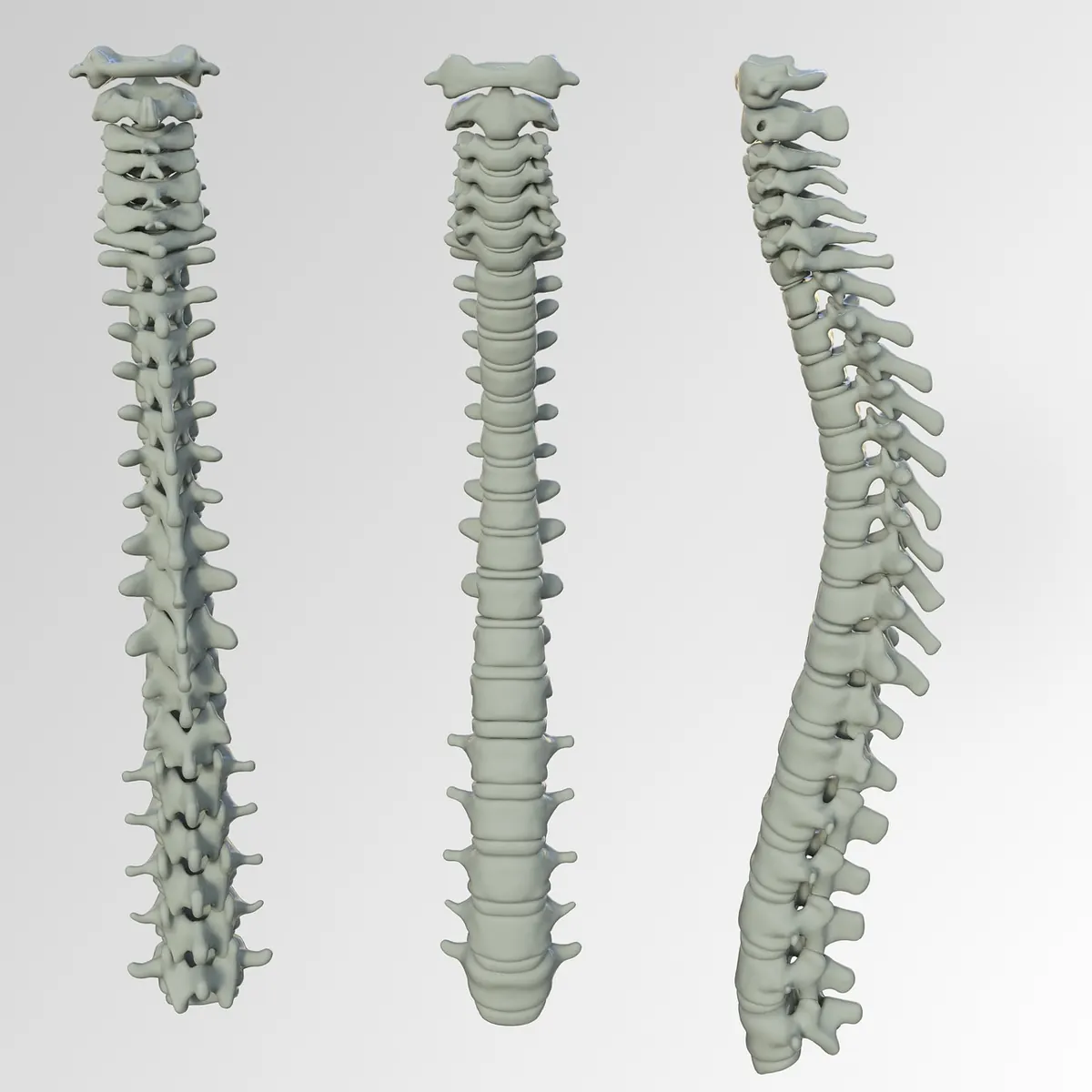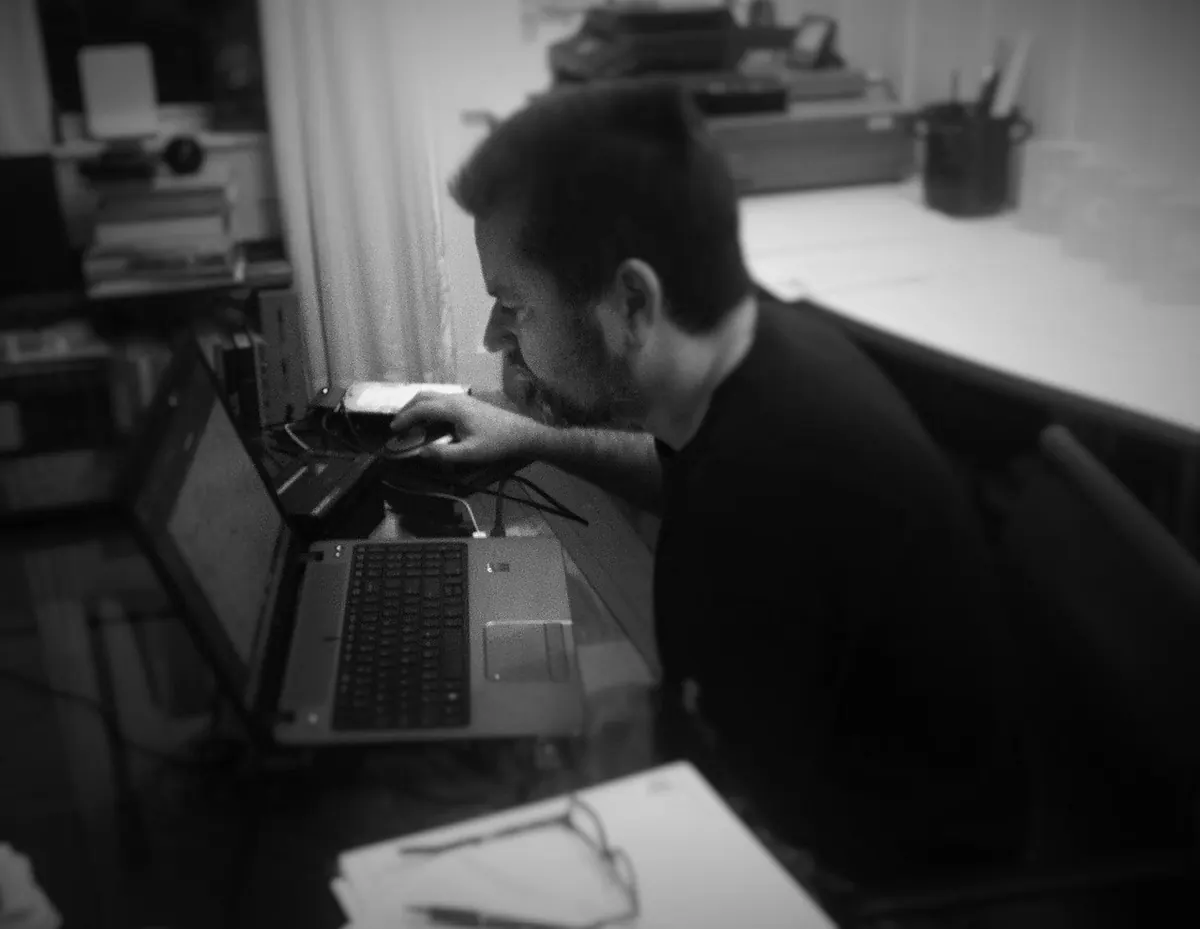
Most of us think of posture as something we either have or do not have, like good handwriting. In reality it is a series of small decisions made hundreds of times a day: how you sit down, how you reach for your phone, how you pick up the shopping. Individually these moments seem harmless. Stacked up over months and years, they shape how your spine feels when you get out of bed in the morning.
The encouraging news is that the habits causing most everyday back and neck trouble are easy to identify once you know what to look for. Below are seven of the most common offenders, each with a simple correction you can try today. None of them require equipment or a gym membership. They require noticing, then adjusting.
One note before we start: if you have persistent pain, numbness, tingling, or pain that travels down an arm or leg, see a GP or a chartered physiotherapist rather than trying to fix it with posture tweaks alone.
1. The phone hunch
Look around any bus or waiting room and you will see it: chin tucked down, neck folded forward, shoulders rolled in. The further your head drifts from sitting squarely over your shoulders, the more work your neck muscles do to hold it there. Ten minutes feels fine. Two hours a day, every day, does not.
The fix: raise the phone rather than lowering your head. Bring your elbow in towards your ribs and lift the screen closer to eye level. If you are reading something long, prop the phone on a stand or rest your forearms on a cushion. The aim is a straight line from your ear through your shoulder to your hip.
Try the wall check
Stand with your heels, bottom and upper back against a wall. Can you bring the back of your head to the wall without lifting your chin? If it feels like hard work, your neck is spending too much time forward. Repeat this gently a few times a day as a reset.
2. Sitting on your back pocket
A classic. You sit down, and your wallet or phone stays in your back pocket. That small lump tilts your pelvis, which tilts your lower spine, which loads one side more than the other. Do it for an hour and you may feel a dull ache on one side. Do it for years and it becomes a habit your back expects.
The fix: empty your back pockets before you sit. It is the simplest correction on this list and one of the most effective.
3. The collapsed sofa slump
Soft sofas encourage a position where your pelvis slides forward and your lower back rounds into a C shape. The muscles that normally support your spine switch off, and the passive structures take the strain. This is not a moral failing; it is what soft furniture does to a tired body in the evening.
Watch for these signs that you have been in the slump too long:
- Your lower back aches when you first stand up.
- You keep shifting and cannot get comfortable.
- Your chin is resting towards your chest.
- Your shoulders feel tight and pulled forward.
The fix: put a firm cushion or folded towel behind your lower back so your bottom is at the back of the seat, not sliding forward. Feet flat on the floor, knees roughly level with hips. Get up every 30 to 45 minutes, even if only to walk to the kitchen and back. Your spine likes movement more than it likes any particular perfect position.
4. Lifting with your back instead of your legs
Most people know they should bend their knees, yet in the moment, they bend at the waist and yank. This is especially common with light objects, because the brain decides it is not worth the effort. A bag of compost, a toddler, a suitcase, a box of books. Add a twist and the strain multiplies.
A better lifting sequence
- Stand close to the object, feet about hip-width apart.
- Hinge at the hips and bend your knees, keeping your spine long rather than rounded.
- Grip the load firmly and hold it close to your body.
- Brace your middle as if you are about to cough, then push through your legs to stand.
- Turn with your feet, not your waist, if you need to change direction.
If something is too heavy or awkwardly shaped, ask for help or split the load. There is no prize for lifting it alone.
5. Sleeping in a position that fights your neck
You cannot control your posture while asleep, but you can control your setup. A pillow that is too high pushes your chin towards your chest all night. Too flat, and your neck loses support. Sleeping on your front forces your head to rotate and your neck to extend, which most people tolerate badly.
The fix: back or side sleeping is usually more comfortable for the neck and lower back. On your side, choose a pillow that fills the gap between your ear and the mattress so your head stays level, and consider a pillow between your knees to keep your hips square. On your back, use a pillow that supports the natural curve of your neck without tipping your head forward. If you wake with a stiff neck most mornings, your pillow height is worth experimenting with before you blame your mattress.
6. Carrying everything on one shoulder
A heavy bag on one shoulder makes you lift that shoulder and lean the other way to balance. Over a long walk or commute, that asymmetry travels down through your neck, mid-back and hips. A cross-body bag worn on the same spot every day can do something similar.
The fix: switch shoulders regularly, or use a rucksack with both straps adjusted snugly and the load sitting high on your back. Keep the weight you carry to what you actually need that day. If your bag is heavy enough that you notice it, it is heavy enough to matter.
7. Never taking a posture break
This is the habit underneath all the others. No single position is damaging on its own; staying in one for hours is the problem. Your spine is designed to move, and joints, discs and muscles all rely on regular changes of position to stay comfortable.
The fix: set a reminder to stand and move every half hour or so. Two minutes is enough. Roll your shoulders, stand tall, walk around, then sit back down with your bottom to the back of the chair and your feet supported. If you work at a screen, raise it so the top of the display is roughly at eye level.
Putting it into practice
Do not try to change all seven habits at once. Pick one, ideally the one you noticed while reading, and work on it for a week. The phone hunch and the back-pocket wallet are often the easiest wins.
Then build in a daily reset: a short walk, a few gentle shoulder rolls, and a moment standing tall against a wall. Think of good posture as a direction of travel rather than a fixed pose. You will drift. Everyone does. The skill is noticing sooner and adjusting without fuss.
If your back or neck pain is ongoing, getting worse, or comes with weakness or numbness, book an appointment with a GP or chartered physiotherapist. Posture changes are helpful, but they are not a substitute for proper assessment.
Photo: stephiejo / Pixabay