Most back pain is not an emergency. It grumbles, it eases, it responds to movement and time. But one small set of symptoms turns back pain into a race against the clock, and it involves the bundle of nerves at the very bottom of the spinal canal. Miss them, and someone can lose permanent control of their bladder, bowel and sexual function. That is why those symptoms are treated as red flags by clinicians, physiotherapists and NHS call handlers across the country.
Knowing what to look for takes two minutes. Knowing what to do about it could change the rest of your life.
What cauda equina syndrome actually is
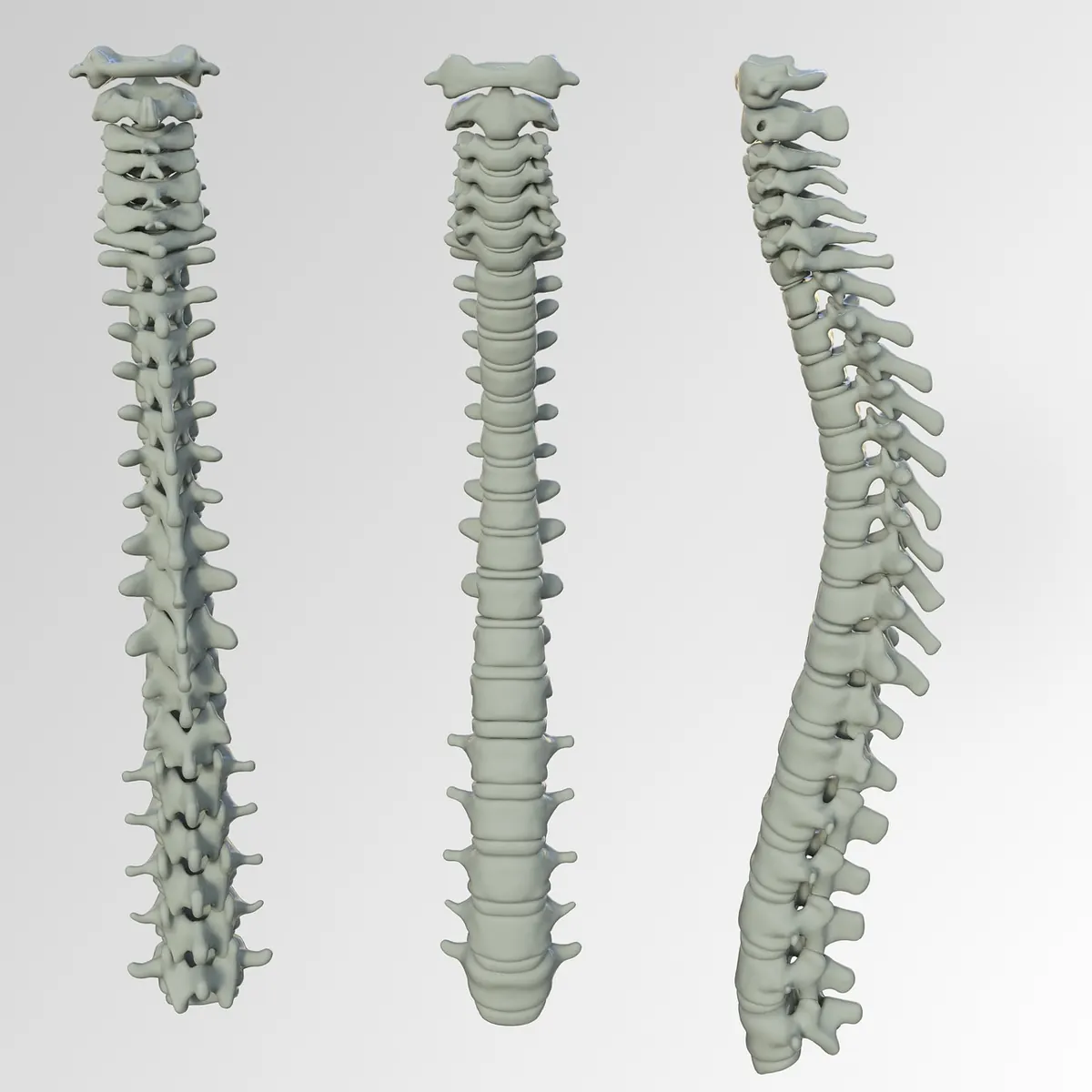
The spinal cord ends around the first or second lumbar vertebra, roughly waist height. Below that, a fan of nerve roots carries on downwards through the spinal canal like a horse's tail — the cauda equina. Those roots supply the bladder, the bowel, the genitals and the legs.
When something presses hard on that bundle — most often a large slipped disc, sometimes a fracture, an infection, a tumour or a bleed after spinal surgery — the nerves stop carrying messages properly. The result is cauda equina syndrome. It is uncommon, and it is one of the few back problems where timing genuinely changes the outcome. Surgery to relieve the pressure is treated as an emergency, and the sooner that pressure comes off, the better the chance of preserving bladder, bowel and sexual function.
The red flag checklist
Symptoms often arrive together, but they can appear one at a time, over hours or days. If you have any combination of the following, get assessed today.
Bladder changes
- Difficulty starting to pass urine, or having to strain.
- Reduced or absent sensation when you urinate — you cannot feel it happening.
- Not being able to tell when your bladder is full.
- Urinary retention: being unable to pass urine at all.
- Overflow incontinence: dribbling you cannot control because the bladder is over-full.
Retention is a late sign, not an early one. Frequency, urgency and a weak stream can come first, and they matter too.
Bowel changes
- Loss of control of your bowels.
- Reduced sensation when you open your bowels — you cannot feel it happening.
Numbness in the saddle area
Clinicians call this saddle anaesthesia. It affects the area a saddle would cover: the buttocks, groin, perineum, genitals and inner thighs. The skin may feel numb, dead or fuzzy. A practical check is to wipe that area gently with a tissue or cotton wool and compare left with right. Can you feel it clearly? Any patch of reduced feeling here needs urgent assessment.
Legs and feet
- Severe pain in both legs, or pain spreading down both legs.
- New weakness — a leg that gives way, or a foot you cannot lift.
- Numbness or tingling spreading into both legs or the feet.
- Difficulty walking, or legs that do not feel like your own.
Sexual function
Less sensation during sex, or difficulty getting or keeping an erection, can form part of the picture — particularly alongside any of the symptoms above.
Not every symptom, and not all at once
The textbook version — numb legs, no bladder control, no bowel control — is a picture nobody should wait for. Waiting for the full set is waiting too long.
Two things catch people out. First, gradual onset: symptoms that build over a few days are no less urgent than symptoms that arrive within an hour. Second, absent back pain: nerve symptoms can appear before, or without, severe back pain.
What to do, step by step
- If symptoms are severe, worsening quickly, or you have lost bladder or bowel control, call 999.
- If you are worried but stable, go straight to your nearest A&E. Do not book a routine GP appointment and do not decide to wait until Monday — these symptoms need a same-day assessment.
- If you are genuinely unsure whether it counts as urgent, call NHS 111 and describe exactly what you have noticed. Ask directly: do I need to be seen urgently?
- Say the words "cauda equina syndrome" to the triage nurse. It is a recognised red flag phrase and it should trigger an urgent assessment.
- Do not drive yourself if you have leg weakness or numbness. Ask someone to drive you, or call 999.
- Note when each symptom started and what has changed. A timeline is genuinely useful to the team looking after you.
What to expect at hospital
An assessment should include questions about bladder and bowel function, a check of sensation in the saddle area, tests of leg strength and reflexes, and a rectal examination to assess anal tone. An urgent MRI scan of the lower spine is the key investigation, because it shows whether the nerves are being compressed. If your local hospital cannot provide one out of hours, you may be transferred to a specialist spinal centre.
Ask questions. If you feel your concerns are not being taken seriously, say clearly that you are worried about cauda equina syndrome and ask for a senior review.
Situations that raise the risk
The nerves can be compressed by a large central disc prolapse in the lower lumbar spine, by spinal stenosis, by a lumbar fracture, by a spinal infection, by a tumour pressing on the canal, or by a bleed in the canal after spinal surgery or an epidural. If you have recently had spinal surgery or an epidural and develop any of the symptoms above, seek urgent help the same day rather than contacting the surgical team's routine line.
If you are not sure, err on the side of being checked
Most people who go to A&E with these worries do not have cauda equina syndrome, and being sent home reassured is a good outcome. The assessment is quick, and no clinician minds being asked. What nobody wants is a patient who noticed a numb patch three days ago and decided to see how it went.
Keep the checklist somewhere you can find it. New bladder or bowel changes, numbness between your legs, or weakness in both legs should be treated as urgent — tonight, not next week. This is general information, not a personal medical assessment; if you are worried about your own symptoms, speak to a doctor or call 111. And if you have long-standing back pain without any of these red flags, a GP or physiotherapist can help you manage it safely.
Photo: paulbr75 / Pixabay